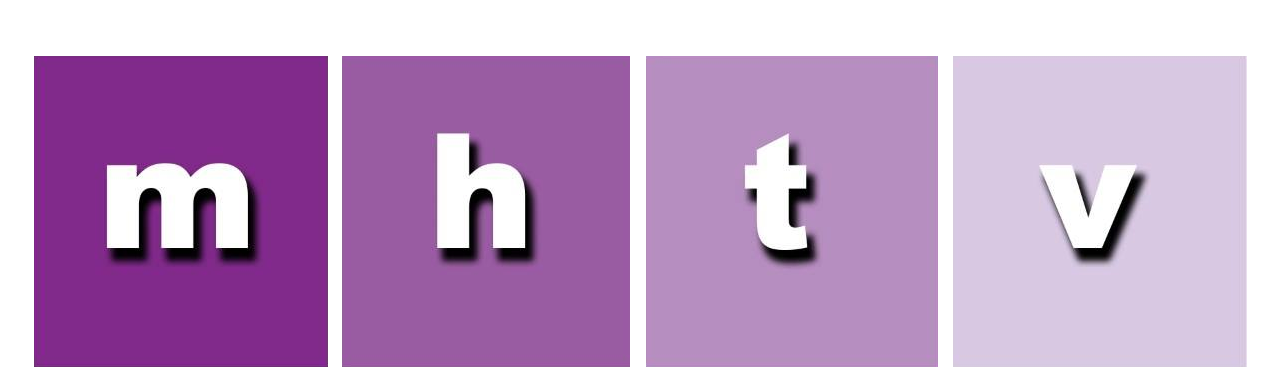
THE FOUR BLOCKS
TRAPPED BY THE FALL: CHAPTER FOUR
Understanding thoughts, emotions, the body, and behaviour in anxiety
Chapter Four Coming soon!
With a foundation of physical and emotional recovery, Chapter Four introduces practical tools to understand and interrupt anxiety’s cycle, helping Marion and readers regain control.
Trapped by the Fall | Chapter Four: The Four Blocks
What You’ll Learn in This Chapter:
- How anxiety is made up of thoughts, emotions, physical reactions, and behaviour
- Why fear can escalate quickly once the cycle begins
- How being trapped or confined can intensify anxiety
- Practical techniques to interrupt the anxiety response
Understanding the Four Blocks
- – Thoughts: worries or catastrophic thinking (“I’m going to fall”)
- – Emotions: fear, panic, or dread
- – Physical reactions: racing heart, breathlessness, shaking
- – Behaviour: escape, avoidance, or freezing
A single thought—“I’m going to fall”—can quickly trigger a cascade of emotional and physical responses, from racing heart and breathlessness to shaking and a powerful urge to escape.
Each block feeds into the next, creating a cycle that can spiral into panic if left unchecked.
A Real-Life Trigger
To see how these blocks interact in real time, let’s look at one of Marion’s experiences.
Being trapped in a confined space intensified the fear, perfectly illustrating how the four blocks interact in real life.
It’s common to feel overwhelmed when anxiety takes hold in public or unfamiliar places. These intense feelings are normal, and you’re not alone if you’ve experienced something similar.
Seeking help early—from a GP, therapist, or trusted support—can make a real difference in recovery. Workplaces and schools can also play a vital role by offering understanding, flexibility, and access to mental health resources or support networks.
Breaking the Anxiety Cycle
Steve introduces Marion to techniques such as grounding, relaxation, and gently challenging negative thoughts to help her regain control:
- – Grounding: focusing on what you can see, hear, and feel in the present moment
- – Relaxation: controlled breathing, muscle relaxation
- – Challenging negative thoughts: gently questioning fearful or catastrophic thinking
By focusing on the present moment—what she can see, hear, and feel—she learns how to slow her physical reactions and prevent anxiety from spiralling.
Through repeated practice, Marion begins to see that anxiety, though automatic, can be interrupted. Each time she applies these strategies—grounding exercises, controlled breathing, and mindful questioning of fearful thoughts—she slowly regains a sense of control. Anxiety doesn’t disappear immediately, but she discovers that panic does not have to control her actions. Understanding the four blocks gives Marion a framework she can return to whenever fear arises, allowing her to respond differently and gradually reclaim confidence in daily life.
Reflective Takeaway
UK Support Resources:
- Samaritans: 116 123 (free, 24/7 helpline) – For anyone struggling to cope, feeling low, or needing someone to talk to.
samaritans.org - Shout: Text ‘SHOUT’ to 85258 (free, 24/7 text support) – Confidential mental health support via text.
giveusashout.org - Student Minds: Mental wellness resources and help for students.
studentminds.org.uk - Switchboard (LGBTQ+): 0300 330 0630 – For LGBTQ+ support.
switchboard.lgbt - LGBT Foundation: 0345 3 30 30 30 – Advice and support for LGBTQ+ people.
lgbt.foundation - Galop: 0800 999 5428 – For LGBTQ+ people experiencing abuse or hate crime.
galop.org.ukFor a full list of UK support resources for trauma, anxiety, and recovery, please see the final page of this series.
© 2025 All Rights Reserved.