
PHOBIAS
Three Case Studies
This project presents three in-depth case studies exploring experiences of phobias and the ways individuals seek to manage and overcome fear.
Two case studies focus on therapeutic intervention within a clinical setting. Each individual follows a different treatment pathway: one engages in a more hands-on, exposure-based approach, while the other primarily participates in a talking therapy model, with areas of overlap between the methods.
The third case study, Trapped by the Fall, offers a complementary perspective by examining lived experience beyond the therapy room. It explores how phobias can influence everyday functioning, identity, and the longer-term process of recovery.
Together, these three case studies provide a balanced and comprehensive view of phobia, combining clinical practice with personal experience.
While fear is a normal part of human experience, a phobia is an intense and persistent fear that can significantly disrupt everyday functioning.
For example, an individual living with agoraphobia — commonly understood as a fear of leaving the home — may begin to avoid going outside altogether. This can lead to behaviours such as ordering groceries online or avoiding social situations. Over time, this avoidance can escalate, making it difficult to attend work and affecting many areas of life, including housing stability, financial security, and social connections.
What Is a Phobia?
Different Types of Phobias
Phobias are sometimes described as “simple phobias”, where there is little or no realistic danger, such as certain animal phobias. Others involve situations that carry some degree of risk but where the fear response becomes disproportionate or difficult to assess realistically, such as travel-related phobias.
Agoraphobia, in particular, can often mask deeper emotional or interpersonal difficulties, making it more complex than a fear of specific places or situations.
Treatment and Recovery
Treatment for phobias is rarely as simple as “facing your fear.” While exposure to fear is an important part of recovery, this approach alone can oversimplify what is often a complex and deeply rooted condition.
For individuals whose phobia has become severe or life-limiting, treatment typically involves therapy. Therapeutic work can help identify underlying causes when they exist or support individuals in developing a structured, manageable plan for moving forward. Importantly, deciding to begin therapy can itself feel overwhelming, and this is a recognised part of the process.
Exposure Therapy for Phobias
One commonly used treatment for phobias is exposure therapy, which aims to reduce anxiety by gradually and safely increasing exposure to the feared stimulus. Repeated exposure in a controlled setting can lessen the intensity of the fear response, with progress made through small, carefully planned steps to minimise the risk of setbacks or overwhelming experiences. Progressing too quickly can be counterproductive and may increase anxiety rather than reduce it. For this reason, simply “facing your fear” without appropriate support is not recommended.
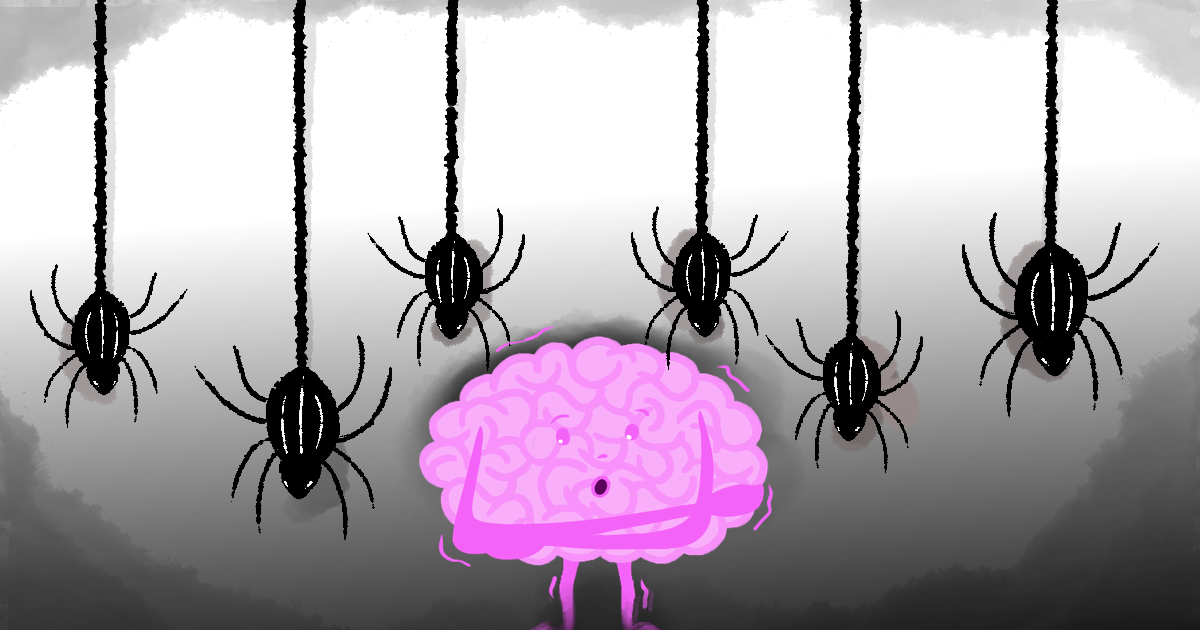
Exposure therapy is most effective when guided by a trained professional. For example, an individual with arachnophobia would not typically begin by holding a spider. Depending on the severity of the phobia, this could be overwhelming and potentially trigger a panic response. Instead, a therapist might guide the individual through a gradual process, beginning with less distressing steps such as looking at a drawing of a spider, then viewing a photograph, and later touching the image.
As confidence and tolerance increase, exposure may progress to being in the same room as a spider, perhaps in a secure enclosure, and then gradually approaching it. Only at a later stage, and if appropriate, might physical contact be considered.
This structured, step-by-step approach helps ensure that progress is made safely, supporting long-term recovery rather than setbacks.
© 2025 All Rights Reserved.