
SUICIDE PREVENTION
When life is difficult, Samaritans are here – day or night, 365 days a year.
Call them for free on 116 123, email them at jo@samaritans.org,
or visit samaritans.org to find your nearest branch.
Understanding Suicide Prevention: Clinical Assessment & Intervention
Suicidality is a complex and urgent clinical crisis characterised by intense psychological pain, overwhelming hopelessness, and a loss of cognitive flexibility. This often leads to explicit intentions or behaviours aimed at ending one’s life. Dysregulated stress-response pathways, changes in serotonergic and neuroendocrine signalling, and disrupted executive function in the prefrontal cortex drive it. These factors significantly impair an individual’s ability to find alternative solutions, making effective risk assessment and structured clinical intervention essential.
On this page, we explore the spectrum of suicidal thoughts, ranging from passive ideation to acute crises. We examine the neurobiological, psychological, and environmental factors that contribute to suicide risk and highlight the most effective, evidence-based strategies available. These include structured safety planning, lethal means restriction, evidence-based psychotherapies, and crisis intervention.
Suicide — Why Do It? (Clinical Lecture & Risk Assessment)

Please be aware that this material is not available on YouTube. We encourage you to use it sensitively and appropriately in your teaching. For a more comprehensive discussion on using media when addressing this topic, please refer to the guidance provided by the Samaritans.
This illustrated lecture is designed for students who are new to mental health. The case studies are also available separately, each accompanied by a description. Please note that this resource is not available on YouTube, and we kindly ask that you use it sensitively and appropriately for educational purposes. For a broader discussion on using media regarding this topic, please refer to the Samaritans’ media guidelines.
The program begins by examining suicide within the context of health politics. It is both a behaviour and, possibly, a symptom. In the presentation, we explore suicide in three very different clinical situations.
Here are two messages to consider:
- Predictability: Suicide is much harder to predict than one might think. The statement “checklists are a waste of time” invites discussion.
- Professional Responsibility: Building on the previous point, it is impossible to prevent all suicides. As a professional in this field, confronting the subject is essential. While general management principles may not stop every incident, they can still make a significant difference.
Clinical Overview & Case Studies
The case studies presented here are based on the lecture titled “Suicide – Why Do It?” They are structured for effective delivery in a live lecture setting, whether online or in person.
According to mortality data from the Office for National Statistics (ONS) and NHS Digital, suicide ranks among the ten leading causes of death. It is the third most significant contributor to years of life lost in the UK, following coronary heart disease and cancer. In young males, it is the second most common cause of death, surpassed only by accidents. All categories of psychiatric illnesses are associated with an increased risk of suicide, and individuals struggling with drug and alcohol misuse face a significantly heightened risk.
Key Points:
- Population Impact: Suicide ranks among the ten leading causes of death and is the third most significant contributor to years of life lost in the UK, following coronary heart disease and cancer.
- Demographic Risk: For young males and men under 50, suicide remains a leading cause of mortality, alongside accidental injury.
- Psychiatric Co-morbidity: All categories of psychiatric illness carry an elevated suicide risk, with co-occurring drug and alcohol misuse significantly amplifying overall risk.
Epidemiological Risk & Clinical Factors
- Demographic & Clinical Indicators: High-risk factors include being male, being older, living alone, having a history of previous suicide attempts, experiencing acute agitation, exhibiting severe impulsivity, suffering from intractable insomnia, showing impaired memory, demonstrating profound self-neglect, and feeling pervasive hopelessness.
- Psychosocial & Genetic Context: Additional contributing factors include social class, high-risk occupational categories, and childhood bereavement. Suicidal behaviour tends to cluster within families, suggesting a potential biological susceptibility; however, this is likely correlated with underlying psychiatric diagnoses rather than genetics alone.
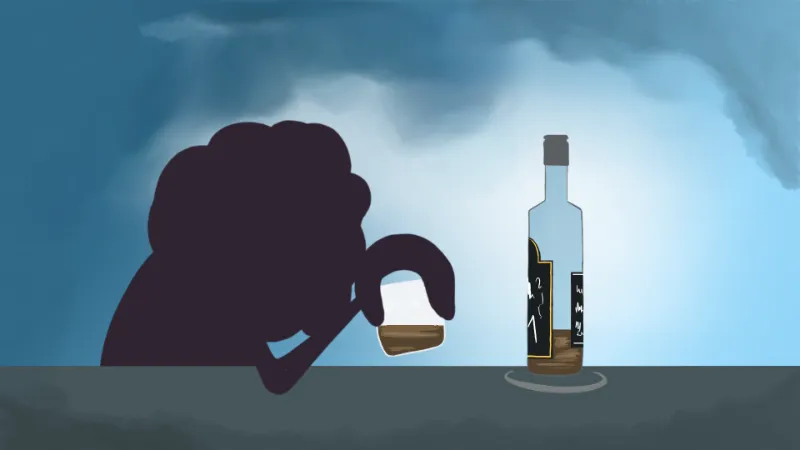
Assessing Intent: Self-Harm vs. Suicidal Intent
Factors favouring high suicidal intent over non-suicidal self-injury (NSSI) include:
- Isolation: Acts carried out in total physical isolation.
- Timing & Precautions: Occurs at times chosen to avoid discovery or intervention.
- Anticipatory Actions: Explicit preparatory acts (e.g., writing a suicide note, settling financial affairs, distributing possessions).
- Lethality: High physical danger and lethality of the chosen method.
Management Challenges in Clinical Practice
Management can be challenging; key obstacles include limited clinical resources, complex patient and family dynamics, interdisciplinary staff conflict, and the inherent difficulty of monitoring fluctuating risk.
Always err on the side of caution and consult family members whenever clinically appropriate. Establish a robust safety plan and schedule a formal follow-up assessment. Short-term inpatient admission can serve as a crucial sanctuary—providing immediate physical safety and allowing time for a comprehensive, unhurried assessment.
Remain vigilant with high-risk individuals, particularly those living alone or expressing profound hopelessness regarding a bleak future. Clinicians must recognise that even when care is delivered impeccably—with exhaustive, legible documentation and completed risk management protocols—adverse outcomes can still occur.
Featured Spotlight: A Mother's Story
This presentation is mainly about the progress of one patient with a serious chronic mental illness. The format is a recorded teaching session, intercut with interviews with the patient and her mother. There are some profound, thought-provoking moments.
A Mother's Story — Navigating Complex Risk & Bereavement
A recorded clinical teaching session, intercut with interviews featuring a patient and her mother, is presented. It traces acute risk escalation, inpatient management, professional communication following a death, and complex family grief.
This presentation is mainly about the progress of one patient with a serious chronic mental illness. It is a recorded teaching session, intercut with interviews with the patient and her mother. There are several profound, thought-provoking moments.
The session invites comments on the most pressing clinical objectives: optimising quality of life and delivering targeted treatment. We review the patient’s history of overdose and severe behavioural disturbance. The student group evaluates escalating risk and potential psychosocial drivers, including substance misuse. The group debates management options, balancing inpatient stabilisation against community team support.
The program introduces further personal and family background, prompting the audience to re-evaluate their clinical risk formulation.
Later in the program, Tracy reflects on her daughter’s death. The group discusses how clinicians should respond after a critical incident, emphasising transparency, early home visits, non-defensive listening, and empathetic communication. The discussion addresses professional guilt, differing personality styles, coping mechanisms, and the realistic acknowledgement that all clinical systems are imperfect.
The program continues as we learn that Tracy’s son, Stephen, was subsequently killed in a road traffic accident. This disclosure highlights the overwhelming nature of traumatic grief for families and care teams alike. In a follow-up interview recorded later, Tracy shares how she has begun to process her profound loss and navigate long-term recovery.
Key Clinical Learning Points:
- Limitations of Risk Stratification: Recognising that standardised risk checklists cannot reliably predict suicide at the individual level, requiring structured clinical judgment and personalised safety planning instead.
- Differentiating Intent: Identifying clinical markers that distinguish high-intent suicidal attempts from non-suicidal self-injury, including isolation, preparatory acts, and attempt lethality.
- Postvention & Family Communication: Understanding the clinician’s role following a patient’s death—focusing on non-defensive communication, family support, and processing complex grief.
Seminar & Reflective Discussion Questions
- How should a clinical team balance short-term inpatient admission for physical safety against the potential long-term benefits of community-based crisis management?
- Given that risk checklists cannot predict individual suicide outcomes, what clinical principles should guide your documentation and risk formulation during emergency assessments?
- Following an unexpected patient suicide, how can clinical teams maintain open, compassionate, and non-defensive communication with bereaved family members while processing professional distress?
Information & Support for Patients & Public Viewers
If you, a family member, or someone you care about is affected by low mood, self-harm, or suicidal thoughts, please know that compassionate, confidential support is available 24/7:
- Speak to Your GP: A General Practitioner can provide an urgent mental health assessment, offer immediate support, and refer you to local NHS Crisis Resolution and Home Treatment (CRHT) teams.
- Immediate Crisis Helplines:
- Samaritans: Confidential, non-judgemental emotional support available 24 hours a day, 365 days a year (Call 116 123, free from any phone, or visit samaritans.org).
- PAPYRUS HOPELINE247: Specialist support for young people experiencing thoughts of suicide and anyone concerned for a young person (Call 0800 068 4141 or text 88247).
- Mind Infoline: Information, crisis support guidance, and local services across the UK (Call 0300 123 3393 or visit mind.org.uk).
- NHS 111: Call 111 for urgent mental health support in your local area.
Clinical Disclaimer & Emergency Note
Disclaimer: This platform is designed for educational and professional development purposes. If you or someone else is in immediate danger of self-harm or suicide, please call emergency services (999 in the UK) or go directly to your nearest hospital Emergency Department (A&E).
© 2025 All Rights Reserved.